The Active Edit
Clean Performance, Zero Compromise
A guide to activewear that prioritizes transparent sourcing, clean materials, and design worth keeping.
Varley
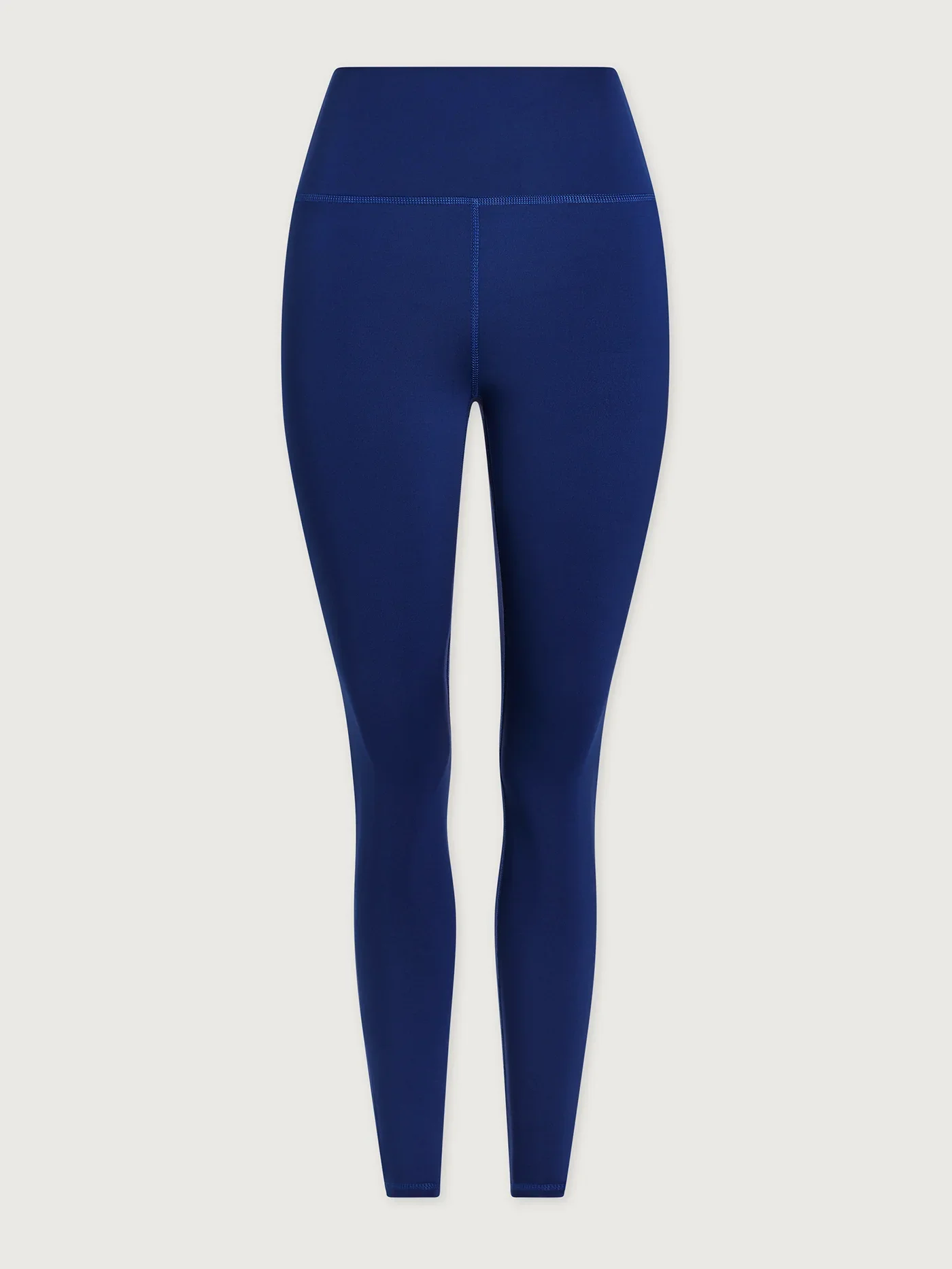
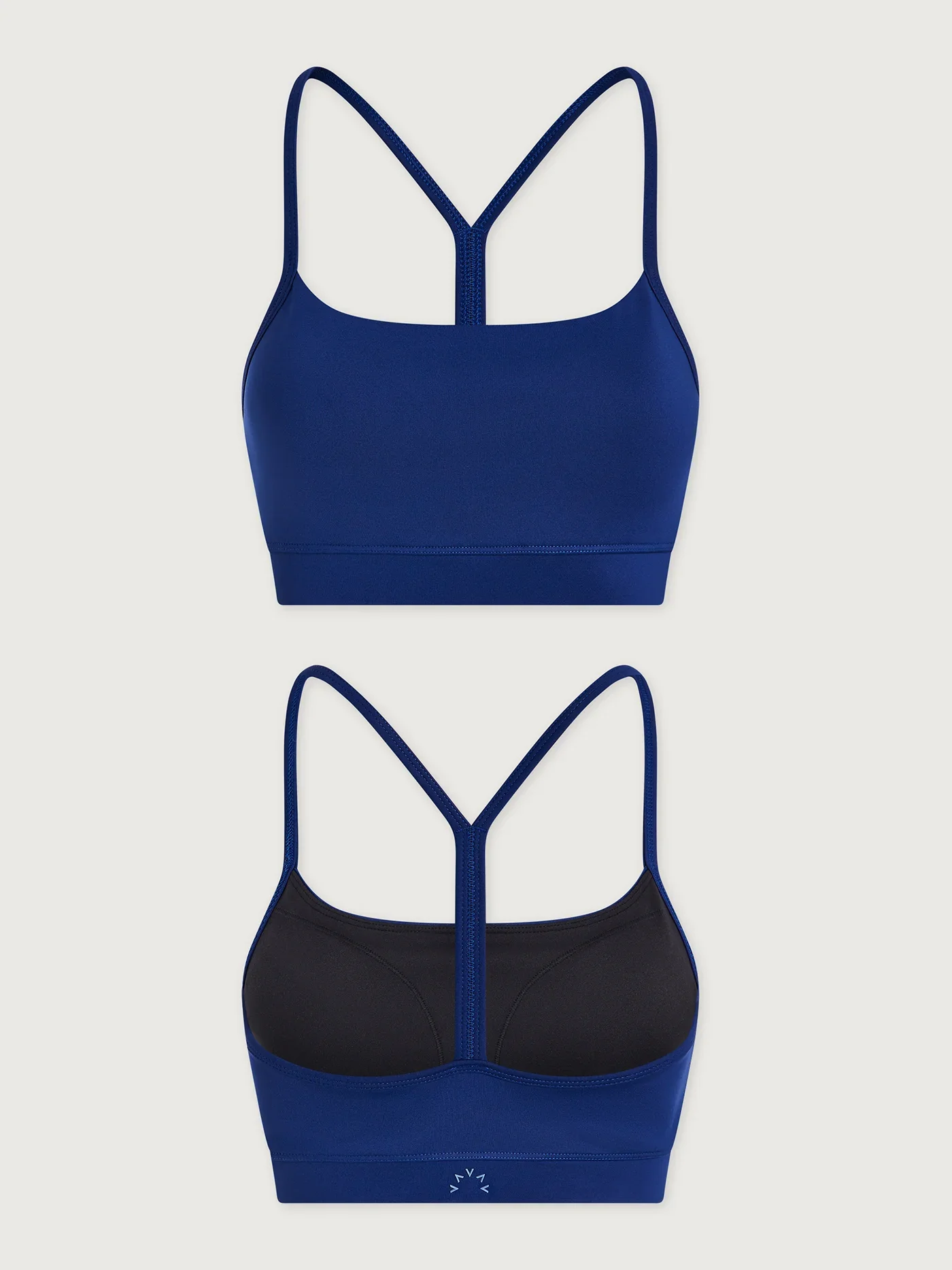
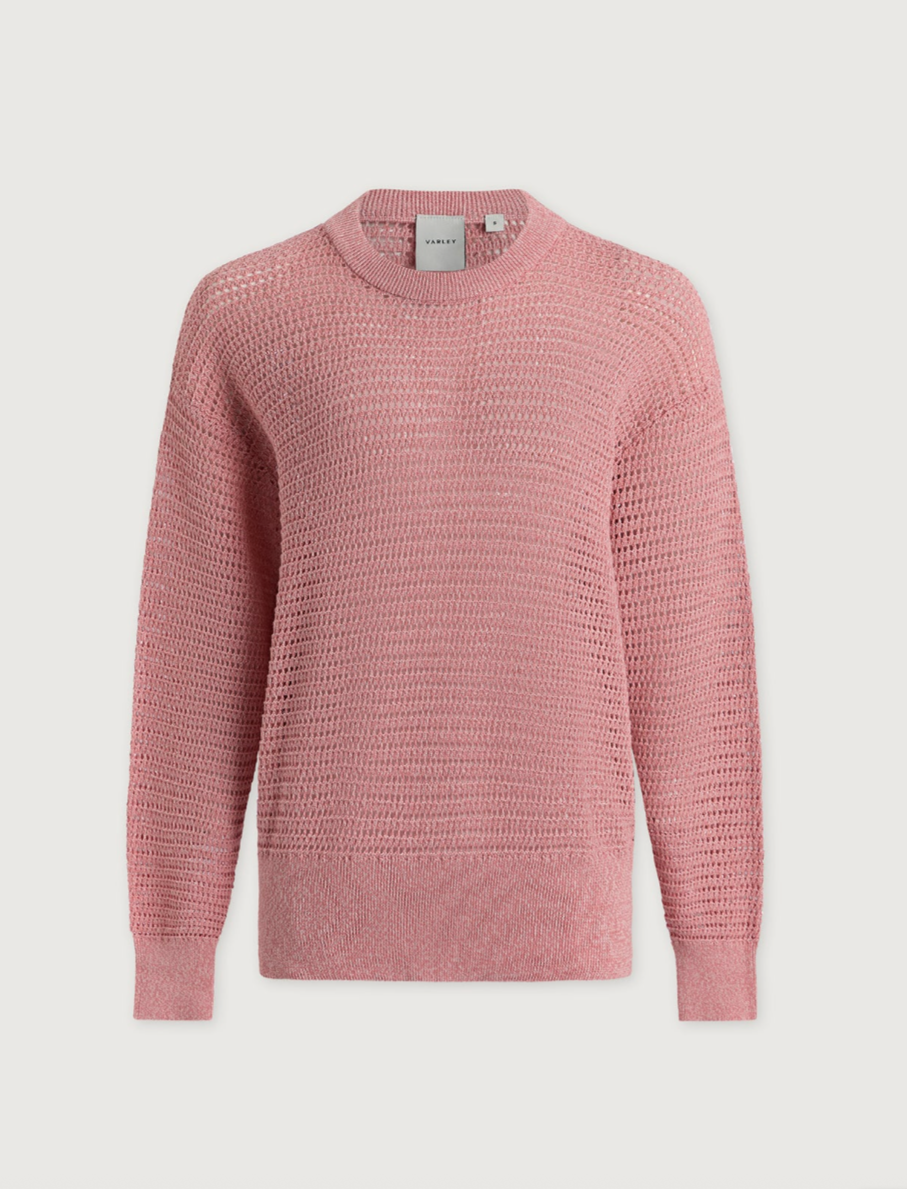
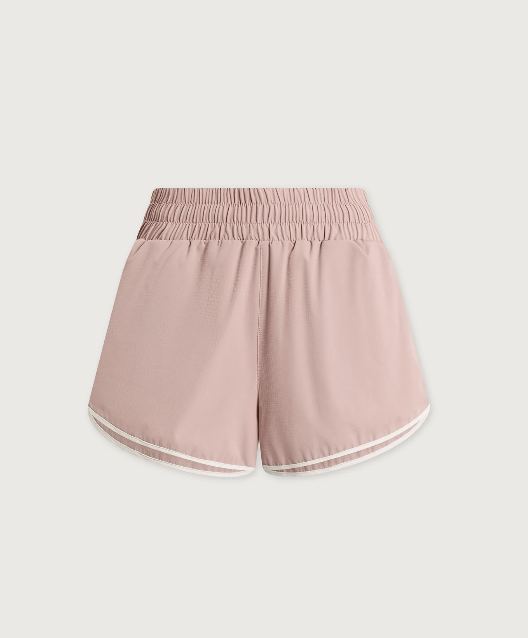
bluesign-Approved Fabrics With Studio-to-Street Intelligence
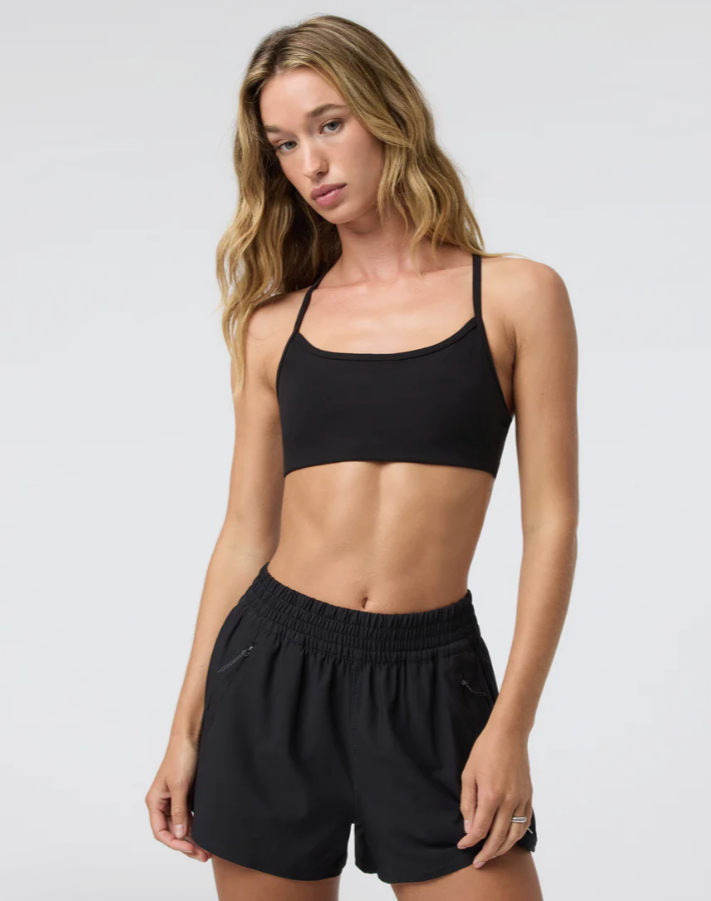
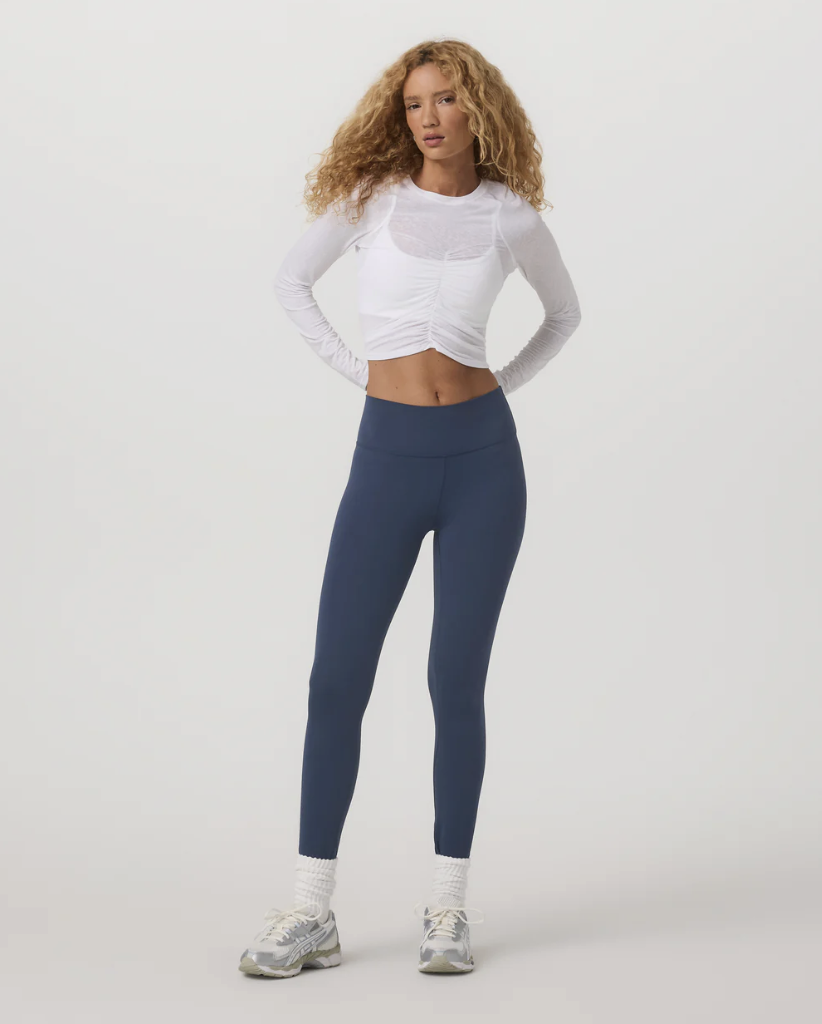
The difference: Varley operates out of dual studios in London and Los Angeles, and the clothes carry both sensibilities: restrained palette, clean silhouette, an ease that translates from a morning Pilates class to the rest of the afternoon without requiring a costume change. The three active fabrics, Always, FreeSoft, and Assure, are bluesign-approved, meeting rigorous standards for chemical safety, water use, and worker protection throughout manufacturing. Production is cut-to-order, meaning the brand makes only what it needs. BCI cotton is being transitioned across the knitwear line. A partnership with Fairly Made measures and tracks the environmental impact of the full supply chain, with zero single-use plastics in any packaging.
Shop our picks:
adidas by Stella McCartney
Recycled Polyester, Parley Ocean Plastic, Cruelty-Free Since 2005
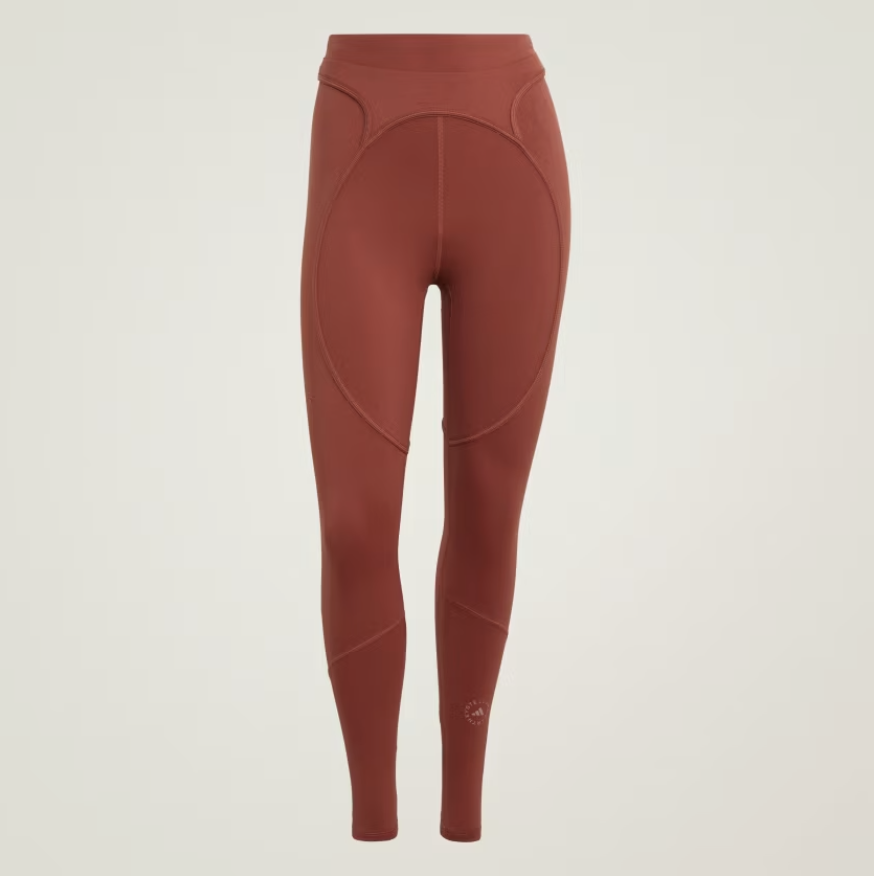
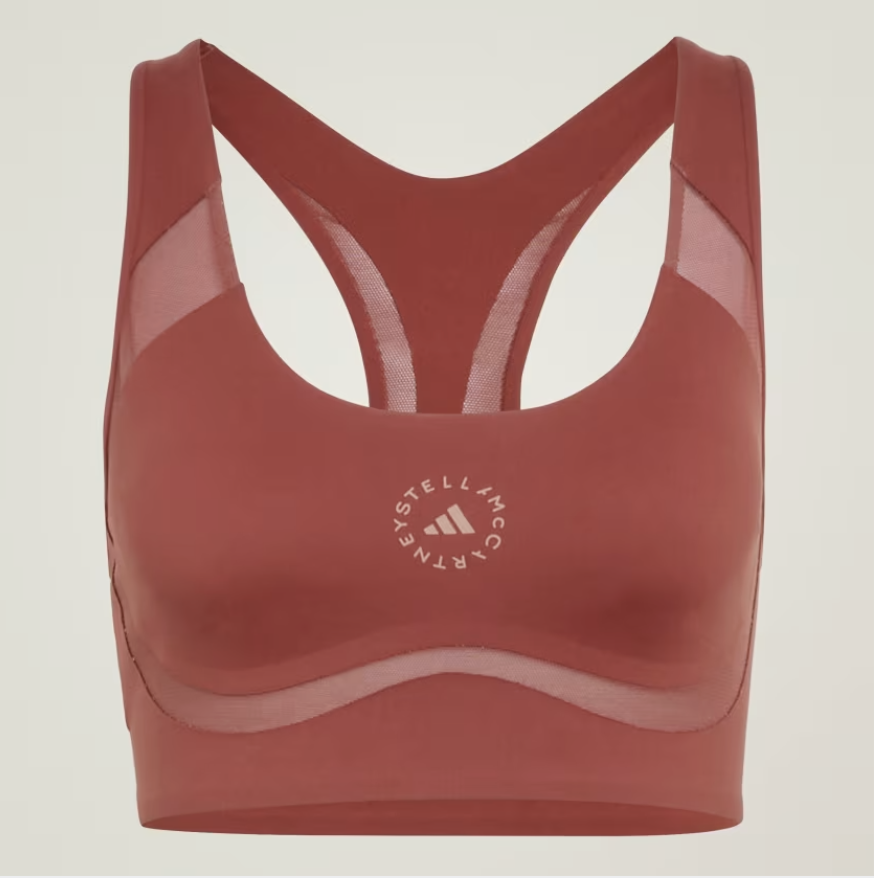
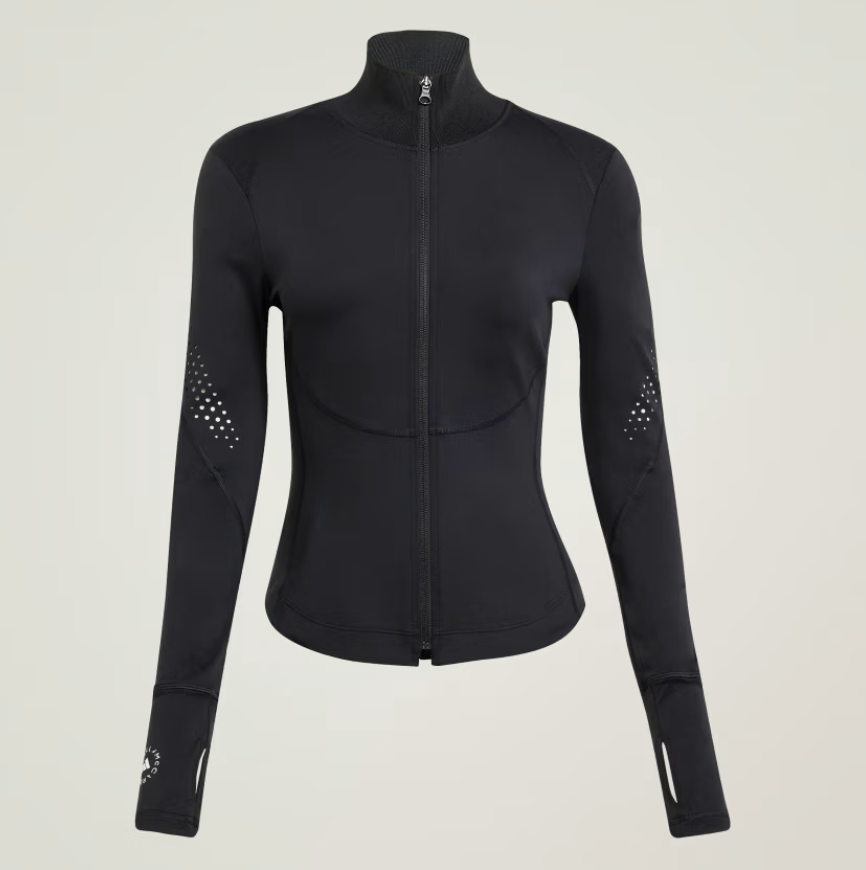
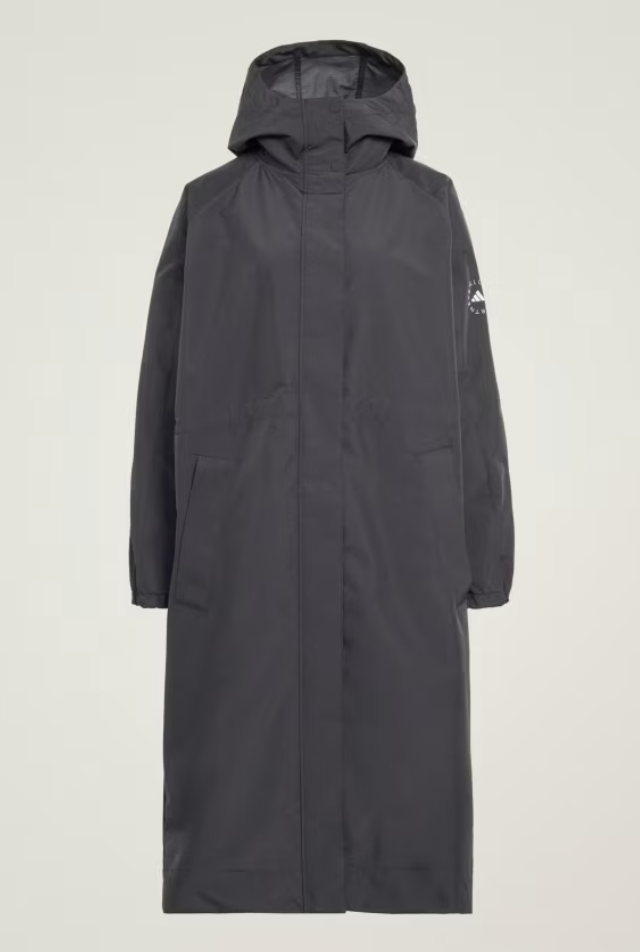
The difference: This collaboration is now two decades old, and it remains the singular point where luxury fashion and high-performance athletics meet with genuine environmental accountability. Stella McCartney's non-negotiable standards govern the entire line: no leather, no fur, no animal-derived materials, no exceptions. The fabrics are built from recycled polyester and Parley ocean plastic, sourced from waste intercepted on remote islands and coastlines before it reaches open water. The current collection carries at least 70% recycled content.
Shop our picks:
Girlfriend Collective
SA8000-Certified Factories, Recycled Materials, PFAS-Free
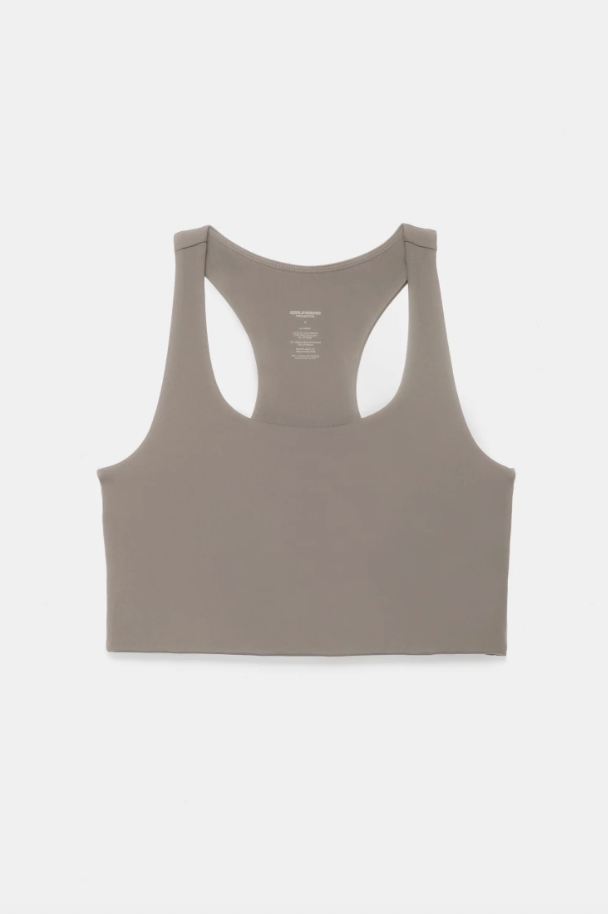
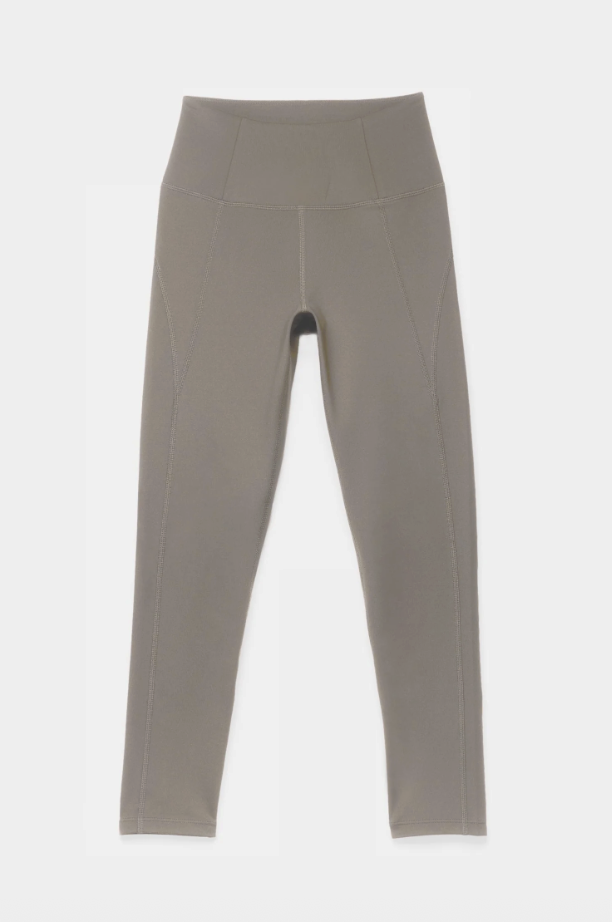
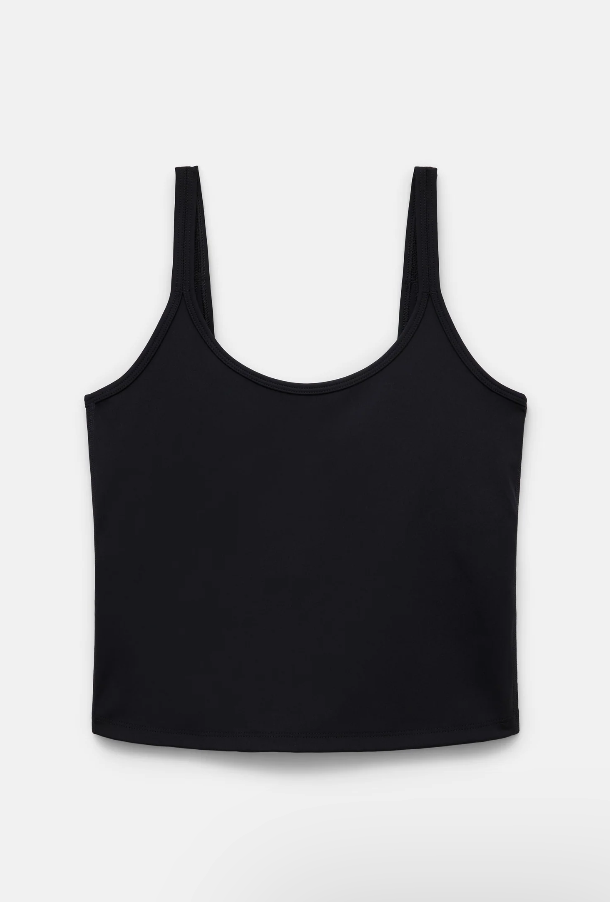
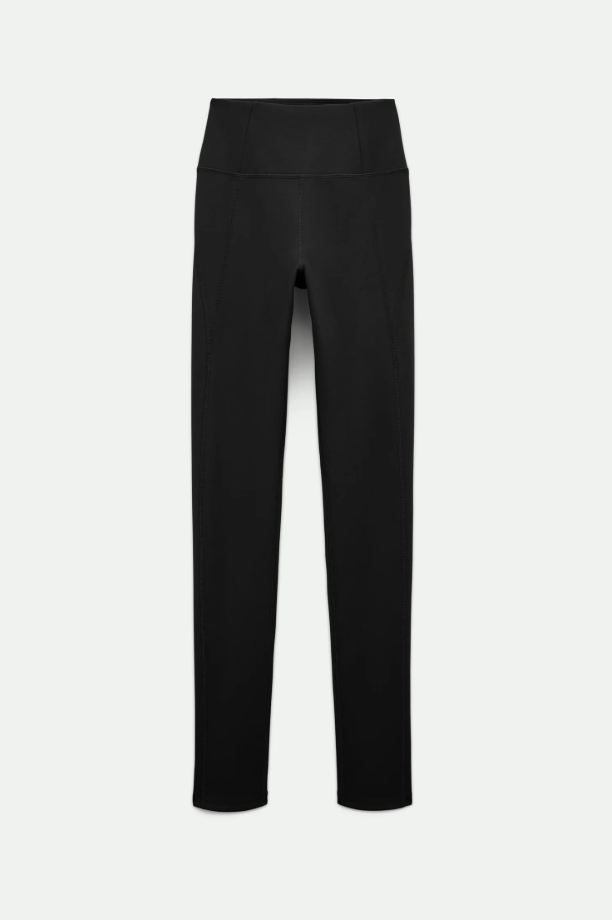
The difference: Girlfriend Collective was built on a premise the rest of the industry has been slow to accept: activewear should not require new petroleum to exist. The compressive line is made from post-consumer recycled water bottles. The lighter-weight pieces use recycled fishing nets. Every factory carries SA8000 certification, among the most rigorous social accountability standards in global manufacturing, covering living wages, working hours, and workplace safety. No product in the line contains PFAS, the so-called forever chemicals that are particularly concerning during exercise, when open pores and elevated body temperature increase dermal absorption.
Shop our picks:
Vuori
Climate Neutral Certified, Fair Trade Suppliers, Coastal California
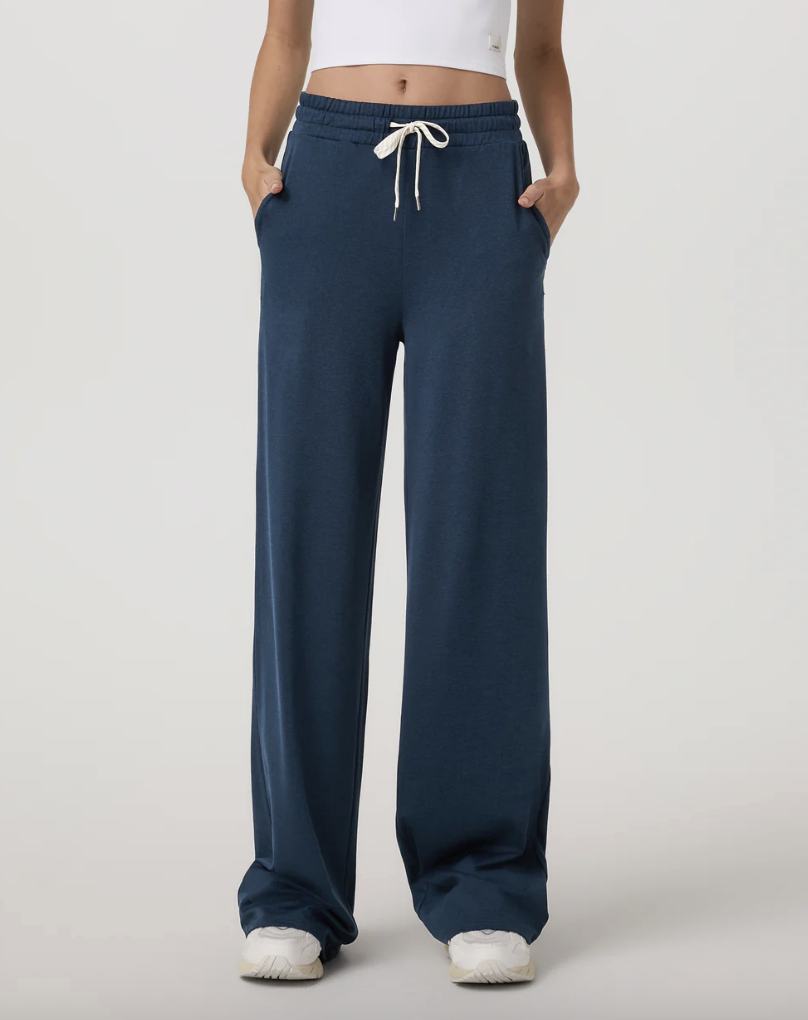
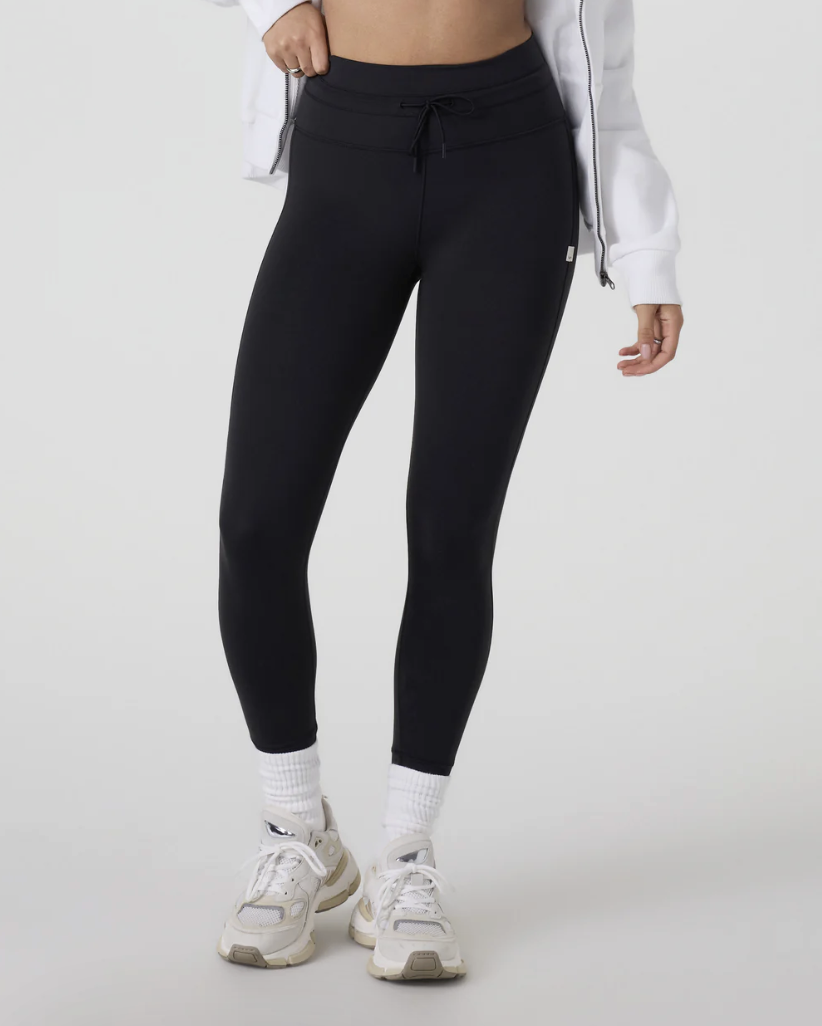
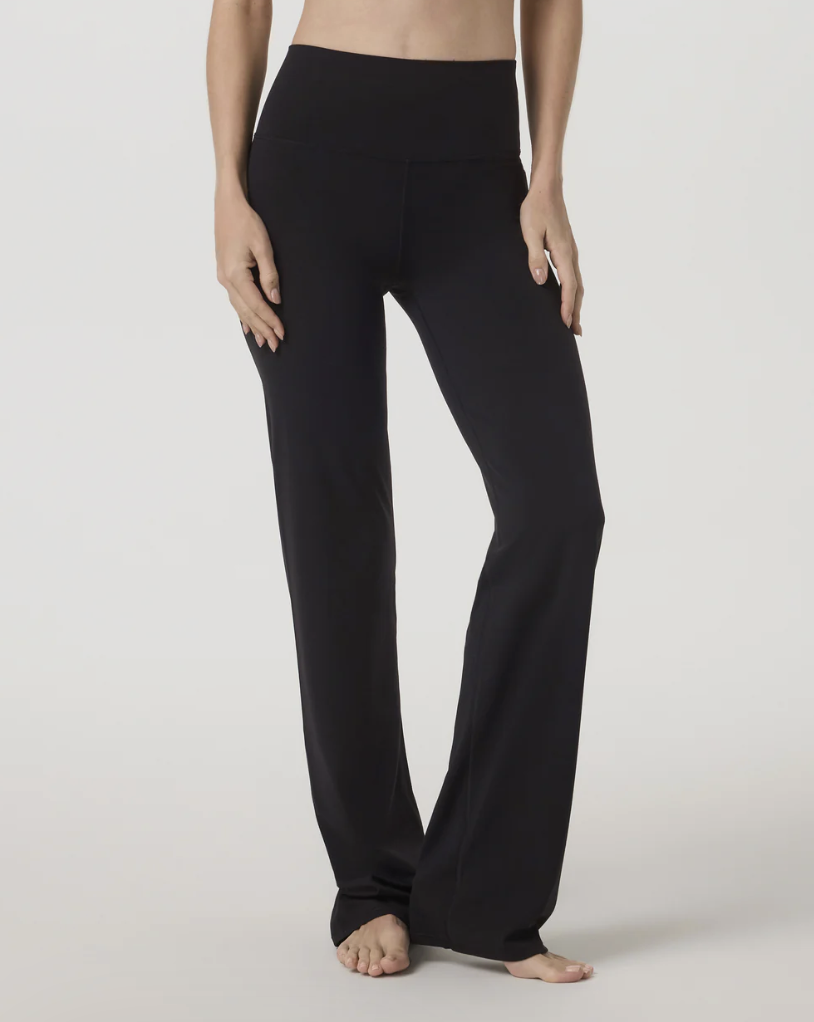
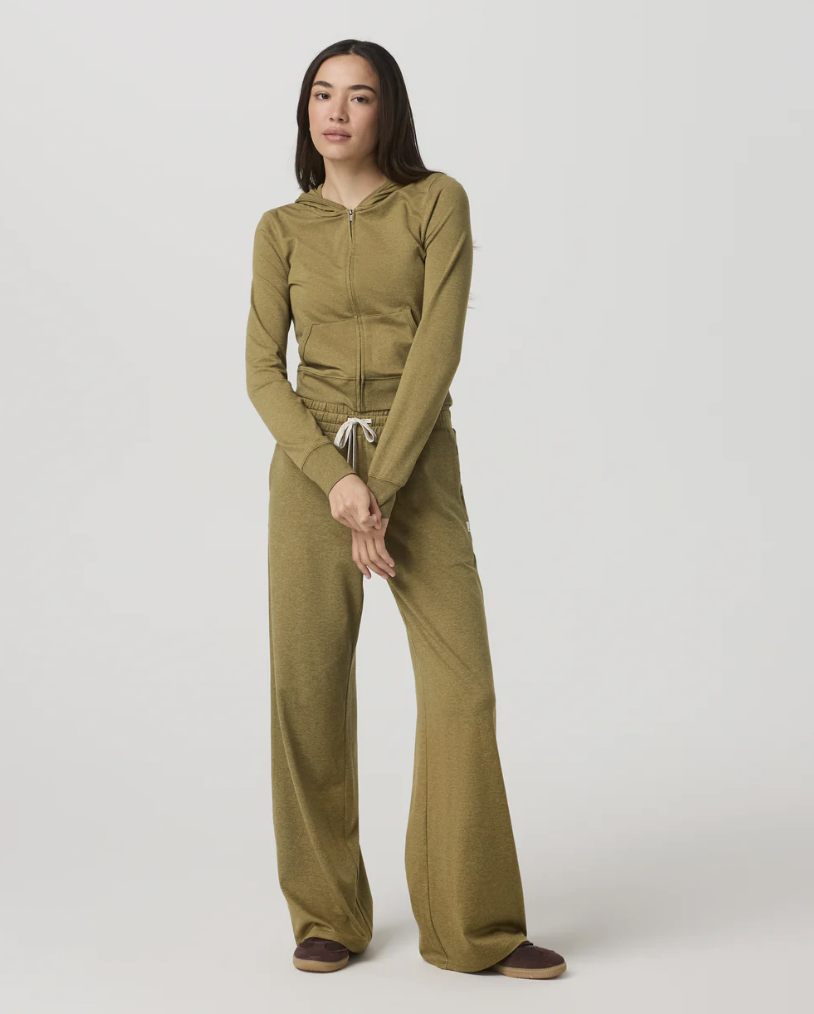
The difference: Vuori emerged from Encinitas, California with the conviction that performance apparel and the rest of your wardrobe do not need to exist as separate categories. The brand is Climate Neutral Certified, meaning it measures, offsets, and annually reduces its carbon output across operations and supply chain. Fair Trade partnerships govern supplier relationships. The Preferred Fibers program prioritizes recycled and low-carbon materials across the full product line.
Shop our picks:
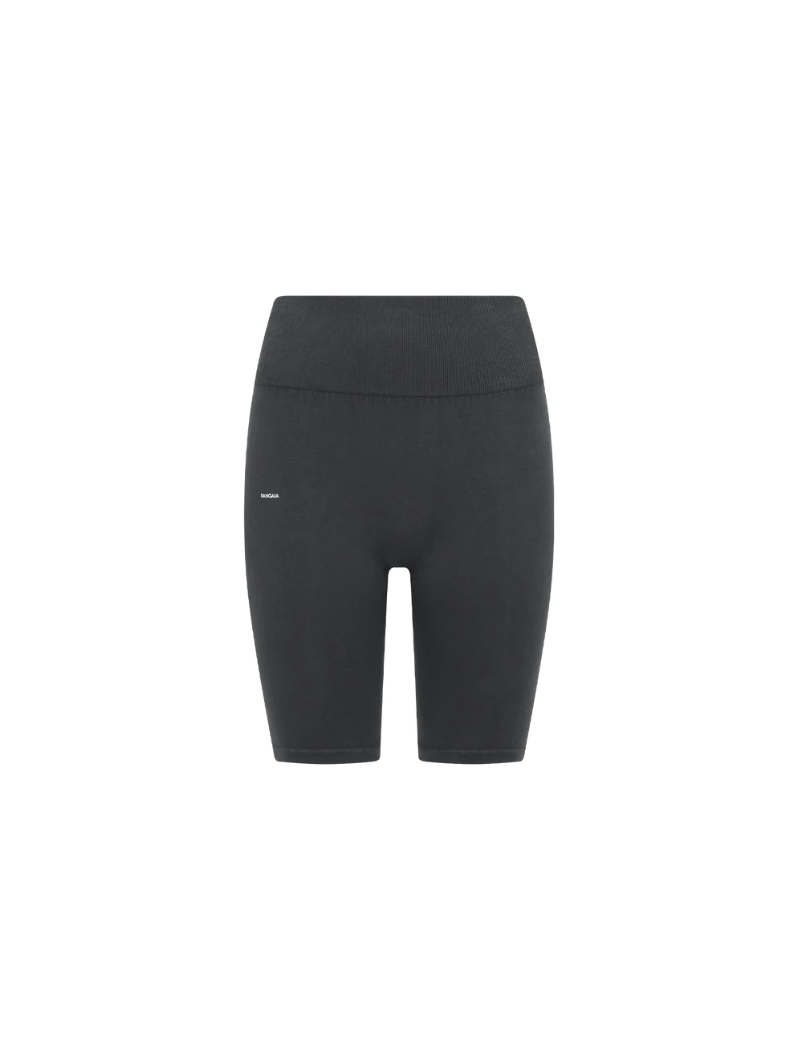
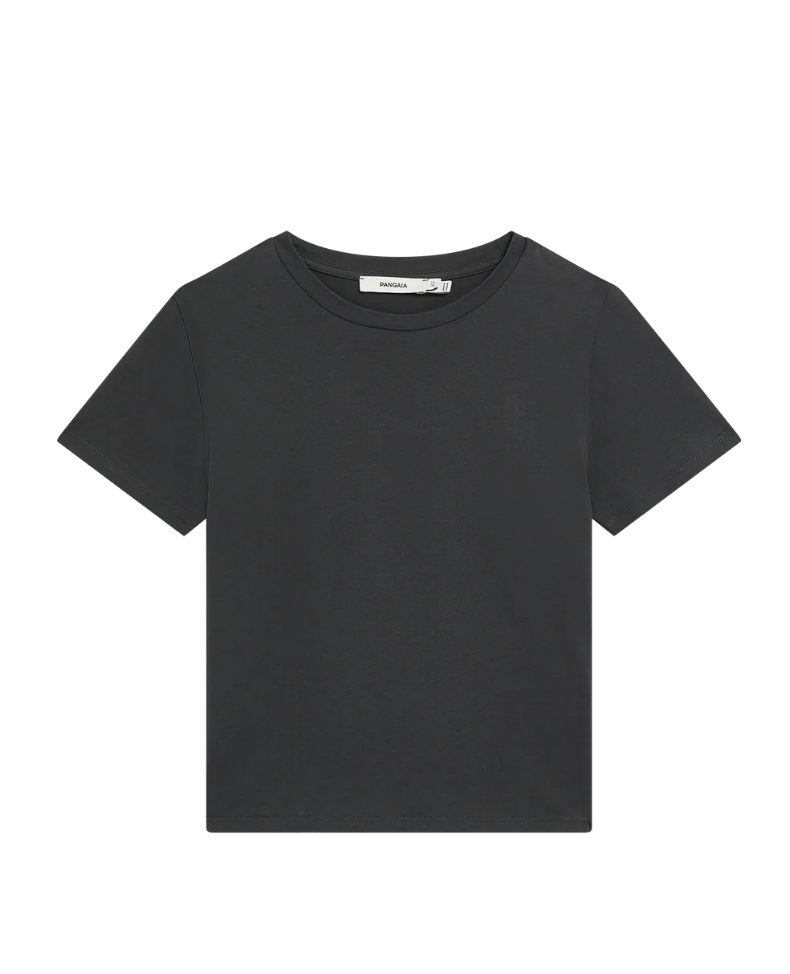
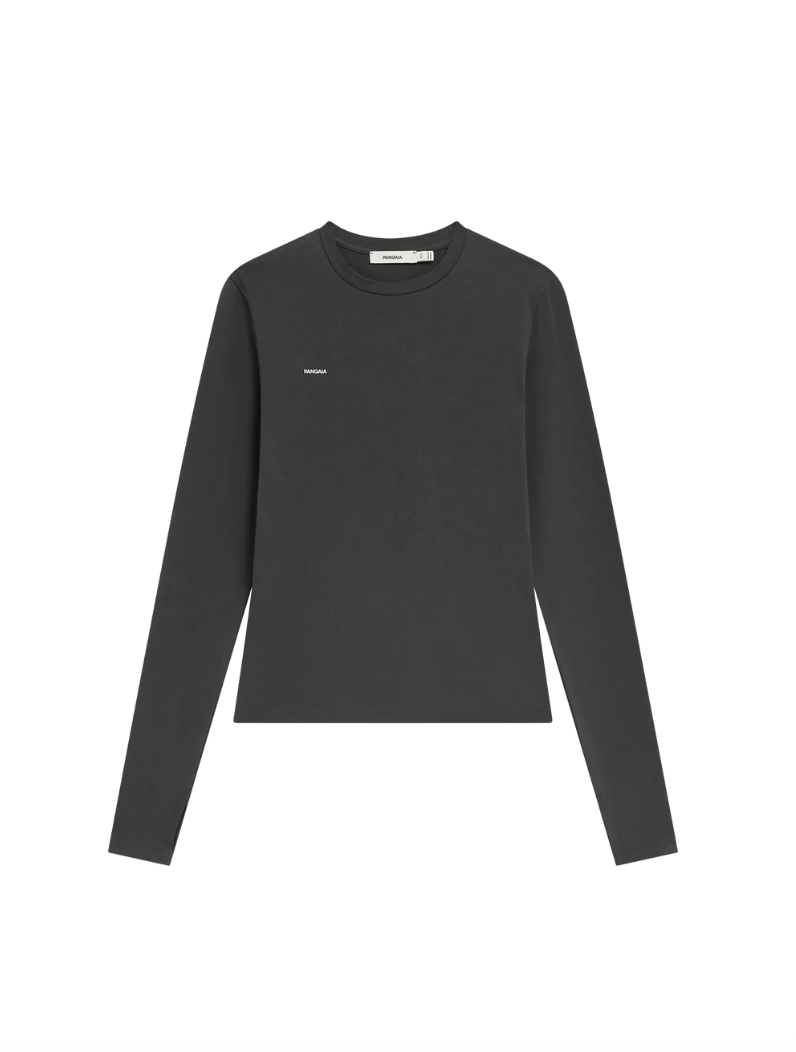
PANGAIA
B Corp, Bio-Based Fibers, Plant-Based Dyes, Digital Product Passport
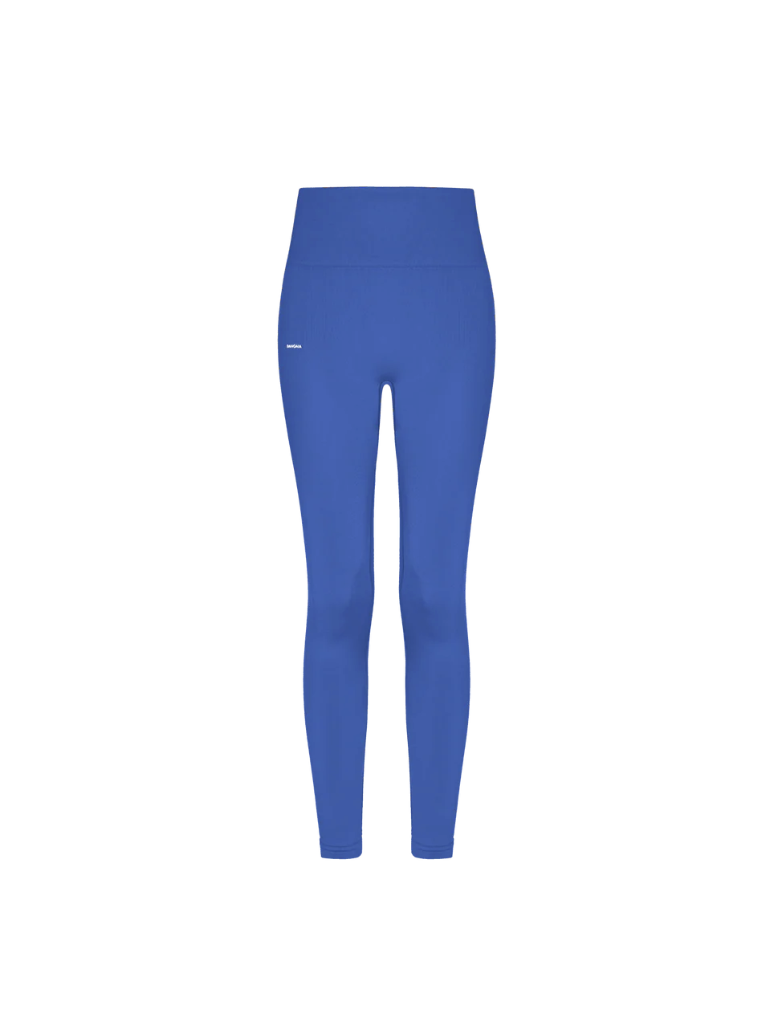
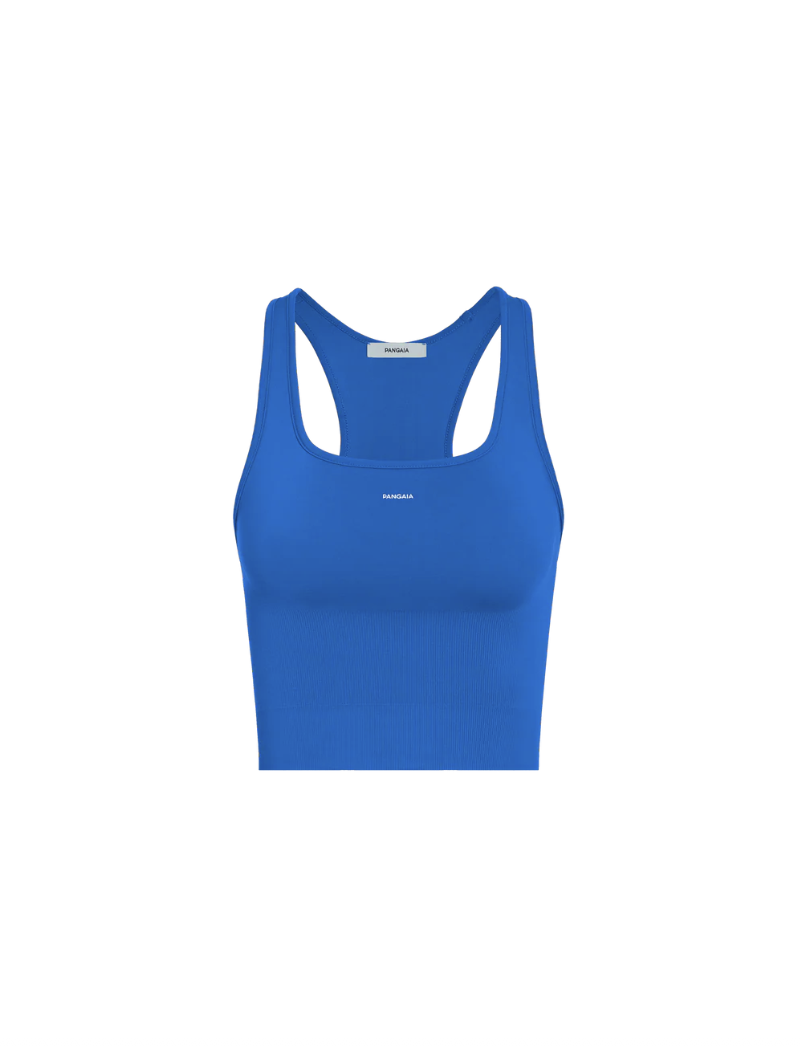
The difference: PANGAIA approaches the category from the materials lab rather than the design studio, and the results are unlike anything else in activewear. The brand develops bio-based fibers from seaweed and eucalyptus pulp. Recycled cotton is processed without virgin water. A proprietary plant-based dye technology called PPRMINT replaces petroleum-derived color systems entirely. B Corp certification. Every product carries a Digital Product Passport, scannable for full origin and environmental footprint data.
Shop our picks:
Notes from HERBE.
Your skin absorbs more during a workout than at nearly any other point in the day. The fabrics touching your body, the chemicals in those fabrics, the conditions under which they were produced: these are not peripheral concerns. They are as much a part of your wellness practice as the movement itself. Every brand above has made that understanding foundational to the design, and it is the reason they are here.
Cover Image: Varley
