The Countryside Guide: The Cotswolds
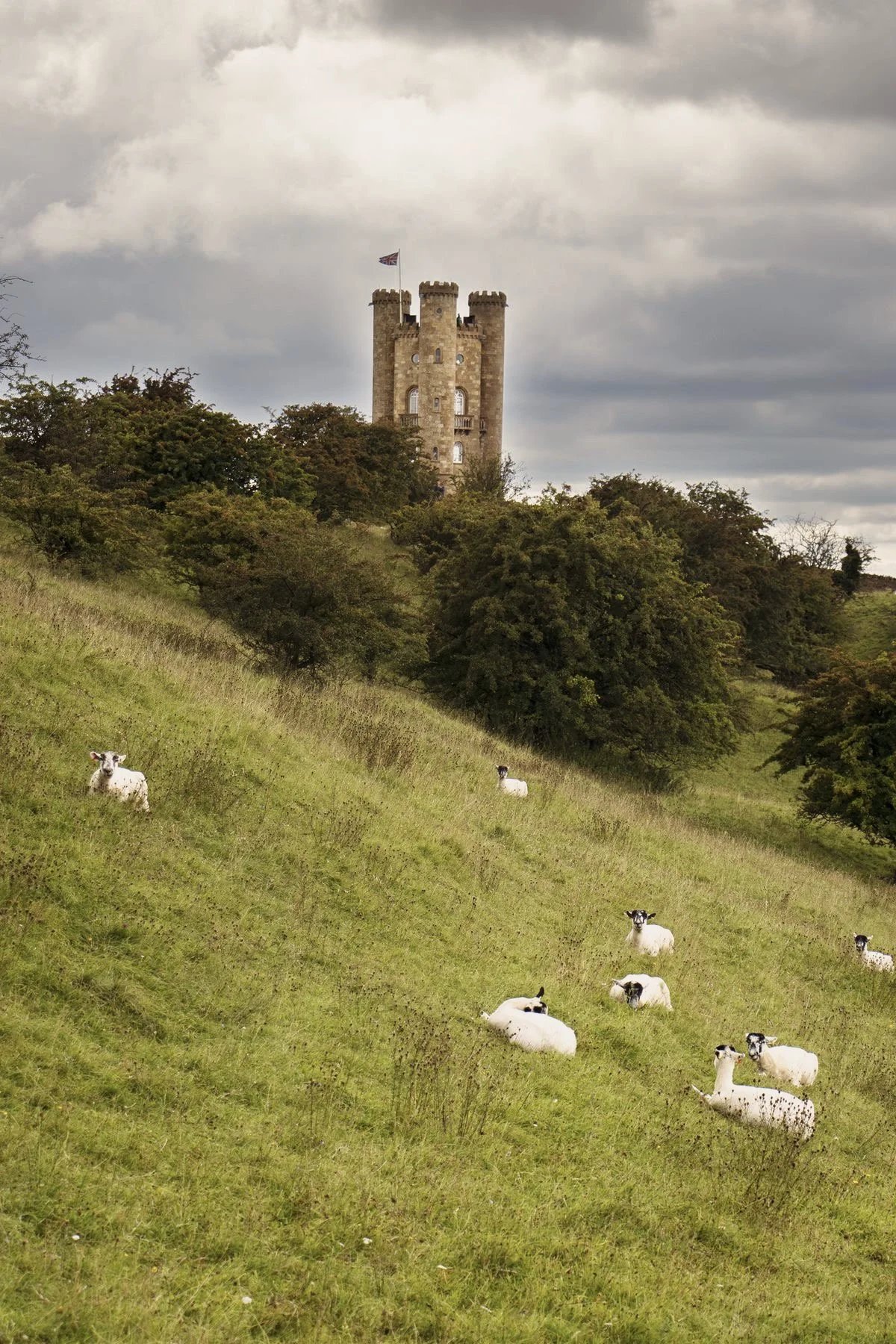
The Cotswolds weren't designed. They accumulated. Over centuries, masons quarried honey-colored limestone from the land and built villages that look like they grew from the geology itself. This isn't picturesque accident—it's vernacular architecture at its most disciplined. When every building uses stone from within five miles, when roof pitches respond to rainfall patterns, when settlements cluster in valleys for wind protection, you're seeing human habitation that learned to listen.
The Area of Outstanding Natural Beauty designation protecting 787 square miles of Gloucestershire, Oxfordshire, Warwickshire, Wiltshire, Worcestershire, and Gloucestershire isn't about preserving "quaintness." It's about maintaining a working landscape where dry stone walls still mark field boundaries, where wool wealth built the "wool churches," where the land use practices that shaped this place continue. This is luxury grounded in agricultural reality, not pastoral fantasy.
The best experiences here happen when you remember that the Cotswolds are a working landscape first, a destination second. The stone came from this earth. The sheep shaped this economy. The footpaths you're walking were routes to market, not Instagram backdrops.
The Anchor
Calcot Manor & Spa: A 14th-century manor that earned its Relais & Châteaux membership by respecting its Cotswold bones while adding modern sustainability credentials. The property's farm supplies the restaurant, the spa uses British botanicals, and the commitment to local sourcing extends beyond menu platitudes. Calcot understands that historic properties have a responsibility to the land that made them possible. The spa treatments incorporate organic British-grown herbs, and the Cotswold Suite overlooks the same landscape that's been farmed for a millennium.
The Fish Hotel: What happens when a 17th-century stone farmhouse meets contemporary design sensibility? You get 65 rooms that respect the building's history without getting precious about it. The Hook Norton Brewery partnership means the bar pours beer brewed 12 miles away. The restaurant works with Daylesford Organic and other local estates because importing ingredients when you're surrounded by working farms would miss the point entirely.
Thyme: Caryn Hibbert's 150-acre estate proves that "farm-to-table" can scale when you actually own the farm. Thyme's on-site kitchen garden, rare-breed cattle, and cookery school create a closed-loop system where food provenance isn't marketing—it's the operational model. The botanical spa treatments use herbs grown in their walled garden. This is hospitality rooted in land stewardship, not luxury branding exercises.
Heckfield Place: A Georgian manor on 400 acres where Skye Gyngell's farm-to-fork philosophy isn't aspirational—it's operational reality. The estate's Home Farm supplies the restaurants with biodynamic produce, rare-breed livestock, and raw milk that becomes cheese in the on-site dairy. Wildsmith Skin's spa line is formulated from botanicals grown in Heckfield's own gardens. This is a closed-loop system where luxury means knowing exactly where everything comes from because you grew it, raised it, or made it yourself. The sustainability credentials aren't additions to luxury—they define it.
Babington House: Soho House's original countryside club, where the Georgian manor became a blueprint for rural hospitality that doesn't feel precious about its heritage. The Cowshed Spa pioneered the now-ubiquitous rustic-luxe aesthetic, but the real intelligence here is how the property balances country house grandeur with the casual sophistication the membership expects. The kitchen garden supplies the restaurant, the screening room proves you don't have to sacrifice culture for countryside, and the relaxed atmosphere acknowledges that people come here to exhale, not perform.
Cowley Manor Experimental: When the Experimental Group took over this Victorian Italianate mansion, they understood that contemporary luxury means respecting history without being imprisoned by it. The result is 30 rooms where period architecture meets modern design confidence. The spa occupies the old stable block, C.side restaurant serves seasonal British cooking without the usual country house formality, and the cocktail program brings Experimental's Parisian bar expertise to the Gloucestershire countryside. This is heritage property hospitality for people who want the bones but not the stuffiness.
The Ritual
The Cotswolds reset comes from direct engagement with the landscape that created this place. The best experiences put you in contact with the geology, ecology, and agricultural heritage that define the region.
The Cotswold Way at Dawn: 102 miles of National Trail from Chipping Campden to Bath, but you don't need to walk all of it to understand what "escarpment" means. Broadway Tower to Stanton delivers three miles of limestone ridge walking with views across the Severn Vale. Early starts mean empty paths and light that turns the stone villages golden. The trail follows the same routes wool merchants walked five centuries ago. Meditation with historical context.
Dry Stone Walling Workshop (Cotswold Dry Stone Walling Academy): These walls have held fields for 2,000 years without mortar, built from the limestone cleared when pastures were created. Learning the technique—how stones interlock, how to read the natural grain, how gravity and friction do the work—teaches you more about this landscape than any driving tour. The walls are functional infrastructure that doubled as landscape art. This is the Cotswolds' signature architecture at human scale.
Soho Farmhouse Spa: Membership-only, but day spa access exists if you book treatments in advance. The wild swimming lake, wood-fired sauna, and outdoor spaces reflect Scandinavian wellness philosophy transplanted to Oxfordshire. The treatments use Bamford products formulated with British botanicals. This is luxury wellness that remembers it's in the English countryside, not a generic resort.
Bibury to Arlington Row Walk: The most photographed Cotswolds scene exists because 17th-century weavers needed cottages near the water meadows where wool was washed. Arlington Row is stunning because form followed function, not because someone designed it for travel guides. Walking the water meadows downstream reminds you that beauty here was a byproduct of working necessity. The River Coln still runs cold and clear because the land management practices that protect it never stopped.
Snowshill Lavender Fields (June-August): English lavender at scale, grown for oil and flowers. The fields provide the sensory overload, but the distillery tour explains how essential oils are extracted, how British lavender differs from Provence varieties, how this crop fits into Cotswold agricultural rotation. Beauty with botanical education.
The Table
In the Cotswolds, "local sourcing" isn't innovation. It's how people ate for centuries before supermarkets. The chefs below are reviving that default setting with contemporary technique.
The Wild Rabbit: Daylesford Organic's pub where the estate's farm supplies the kitchen directly. Chef Tim Allen earned his Michelin star by taking Cotswold ingredients seriously—rare-breed pork, estate vegetables, British cheese—and applying Michelin-level technique without the usual Michelin-level fussiness. This is regional cooking elevated by precision, not obscured by it. The provenance is transparent because it's coming from fields you can walk to.
The Kingham Plough: Emily Watkins' Michelin-starred pub proves that farm-to-table can scale when your relationships with producers are actual relationships, not supplier contracts. The menu changes with what's harvestable, which means spring brings wild garlic from local woods and autumn means game from nearby estates. Sophisticated cooking rooted in Cotswold seasonality.
Russell's of Broadway: Andrew Riley's commitment to within-30-miles sourcing isn't a marketing angle—it's a constraint that produces better food. Broadway is surrounded by farms, so why would you import? The à la carte menu shifts weekly based on what growers have available, and the wine list features English sparkling wines that now rival Champagne. Respect for regional agriculture translated to refined plates.
Hayloft Kitchen (Thyme): The estate restaurant where the kitchen garden is literally outside the kitchen window. The tasting menus reflect what's growing that week, which means you're eating the definition of seasonal. No menu can be printed too far in advance when your produce source is 50 feet away and changes daily. Radical seasonality as operational necessity.
Hobbs House Bakery: Five generations of baking real bread using traditional methods and locally milled British flour. This isn't artisanal posturing—it's a family business that never switched to industrial methods. The sourdough culture is decades old, the stone-ground flour comes from Cotswold grain, and the morning queues in Chipping Sodbury prove that people still recognize the difference. Craft continuity.
Jesse Smith Butchers: Eight generations of butchery, dry-aging British beef in-house, working with local farms for rare-breed pork and Cotswold lamb. This is where chefs source, where you learn that meat provenance matters beyond welfare buzzwords. The shop's been in Cirencester since 1850 because butchery done right creates loyal customers for centuries.
Daylesford Organic Farm Shop: What happens when Lord Bamford converts 1,500 acres to organic farming? You get Britain's most influential organic farm shop. The café uses produce from the estate, the butchery sells their own rare-breed meat, and the groceries prove that organic farming can scale without compromising standards. This is the supply chain abbreviated to its most honest form.
The Form
Hailes Abbey: Cistercian monks chose this valley in 1246 because it had everything their Rule required—water, stone, arable land, isolation for contemplation. The ruins teach you how monastic communities shaped the Cotswold landscape: sheep farming for wool, fishponds for Friday abstinence, quarries for building stone. English Heritage maintains the site, and walking the cloister foundations explains why medieval architecture responded to the land's offerings. Religious architecture as landscape consequence.
The Court Barn Museum (Chipping Campden): The definitive collection of Arts and Crafts work, in the town where C.R. Ashbee established his Guild of Handicraft in 1902. William Morris, Ernest Gimson, Sidney Barnsley—the designers who insisted that craft quality and design integrity could coexist with function. This is where you see furniture, metalwork, and textiles that respected both maker and material. The philosophy that good design emerges from honest craft, demonstrated in museum form.
Gloucester Cathedral: Norman architecture that took 400 years to complete, which means you're seeing the evolution of English Gothic in one building. The fan vaulting in the cloisters (1351-1412) is considered the finest in England. The stained glass survived Henry VIII because the locals hid the medieval panels during the Reformation. This is architecture as cultural accumulation, where each century added without erasing what came before. The stone is local, the craftsmanship is extraordinary, and the building still functions as its builders intended.
Batsford Arboretum: Lord Redesdale planted this collection starting in 1886 after traveling to Japan and China. Now the trees he sourced (Japanese maples, Chinese dogwoods, rare magnolias) have matured into one of England's finest arboreta. This is Victorian plant collecting done with scientific rigor and aesthetic sensibility. The autumn color rivals New England, and the garden café uses produce from the estate. Landscape design as long-term thinking.
Broadway Market (Saturdays): Where farmers still sell what they grew, where you meet the people who supply the restaurants, where "local" becomes tangible. The market's been running since medieval times because this is where agricultural surplus met purchasers. Arrive early for the best selection and to understand what grows well in Cotswold soil.
Notes From HERBE.
The Cotswolds work because the architecture, food systems, and land use all emerged from the same constraint: limestone geology. The honey-colored stone dictated building materials. The stone walls created sheep pastures. The wool wealth built the villages. The agricultural wealth funded the churches. Everything here is consequence of what the land provided.
This is regional luxury that doesn't pretend it could exist anywhere else. Not by importing aesthetics or ingredients, but by working within what 200 million years of Jurassic limestone deposition made possible. The geology speaks. The best work here translates.
The Cotswolds aren't preserved in amber—they're a living landscape where farming continues, where craftspeople still work stone, where the villages you're photographing house the people who maintain the dry stone walls and manage the footpaths. Tourism that forgets this dynamic extracts without understanding. The best experiences here respect that you're a temporary visitor to a permanent place.
When you stay in a stone cottage, you're sleeping in a building material that was locally mandatory until transportation made importing possible. When you eat Cotswold lamb, you're tasting pasture management practices unchanged for centuries. When you walk the footpaths, you're using rights-of-way established when enclosure acts privatized the medieval commons. Everything here has context. Luxury in the Cotswolds means respecting that layered history while you're enjoying it.
