The HERBE. Market Guide: December's Seasonal Produce + Intuitive Ways to Cook
Seasonal ingredients are always the best ingredients. They arrive more fragrant, more flavorful, and more aligned with how the body wants to eat this time of year.
December invites dishes that feel warm and grounding and suited to the intimacy of holiday gatherings.
Here is what is in season now, and the most intuitive ways to welcome these ingredients into your kitchen.
-
grapefruit, satsumas, navels, meyer lemons, blood oranges (late month)
Citrus lifts winter cooking. Use it to brighten braises, balance richness, or finish roasted vegetables.
Try: zest in dressings; broiled halves with a sprinkle of sugar; citrus segments in salads with fennel and herbs.
-
At peak tenderness in winter — mild, aromatic, and versatile.
Try: braised until soft; simmered into potato soups; slow-sautéed as a pasta base.
-
Cold weather concentrates their sweetness.
These thrive under high heat and strong seasoning.
Try: roasting until deeply caramelized; shaving raw for salads; pairing with miso or chili crisp.
-
Sturdy, adaptable, and ideal for high heat.
Try: whole-roasting; searing florets in a hot pan; blending into creamy soups.
-
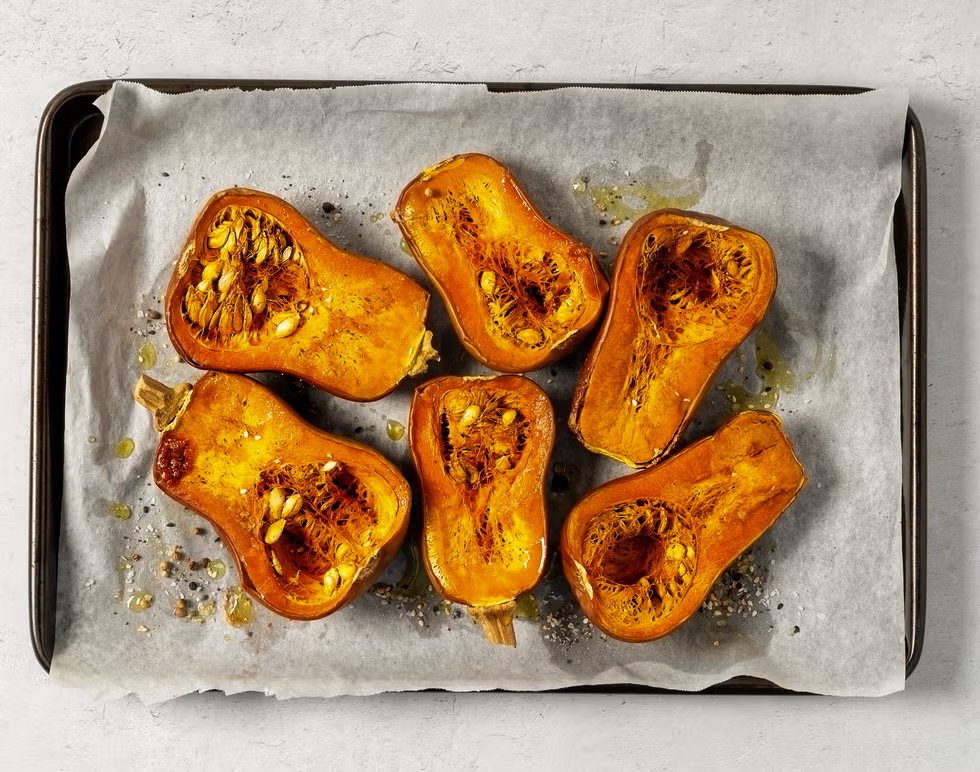
butternut, kabocha, delicata
Naturally sweet and perfect for slow, gentle cooking.
Try: roasting wedges with spices; blending with coconut milk; adding to grain bowls.
-
parsnips, beets, carrots, turnips
Peak season for earthy, grounding flavors.
Try: roasting with herbs; pureeing into soups; shaving raw into salads for crunch.
-
One of December’s best fruits — soft, floral, and cold-weather friendly.
Try: poaching with spices; roasting alongside savory dishes; slicing into salads with sharp cheese.
-
Winter’s built-in garnish — bright acidity, no heaviness.
Try: scattering over roasted vegetables; spooning into yogurt; reducing into glazes.
Notes for December Cooking
Contrast is everything.
Balance richness with freshness: citrus, herbs, vinegar.
Use the oven.
Winter produce thrives under high heat and longer roasting.
Start with aromatics.
Leeks, garlic, and onions build quiet, comforting depth.
Finish fresh.
A squeeze of citrus or good olive oil wakes up winter flavors.
cover image: courtesy of country living.
