The HERBE. Market Guide: January
Seasonal ingredients are always the best ingredients. They arrive more fragrant, more flavorful, and more aligned with how the body wants to eat this time of year.
January invites dishes that feel nourishing and restorative, suited to the quiet of the new year and the cold that lingers.
Here is what is in season now, and the most intuitive ways to welcome these ingredients into your kitchen.
-
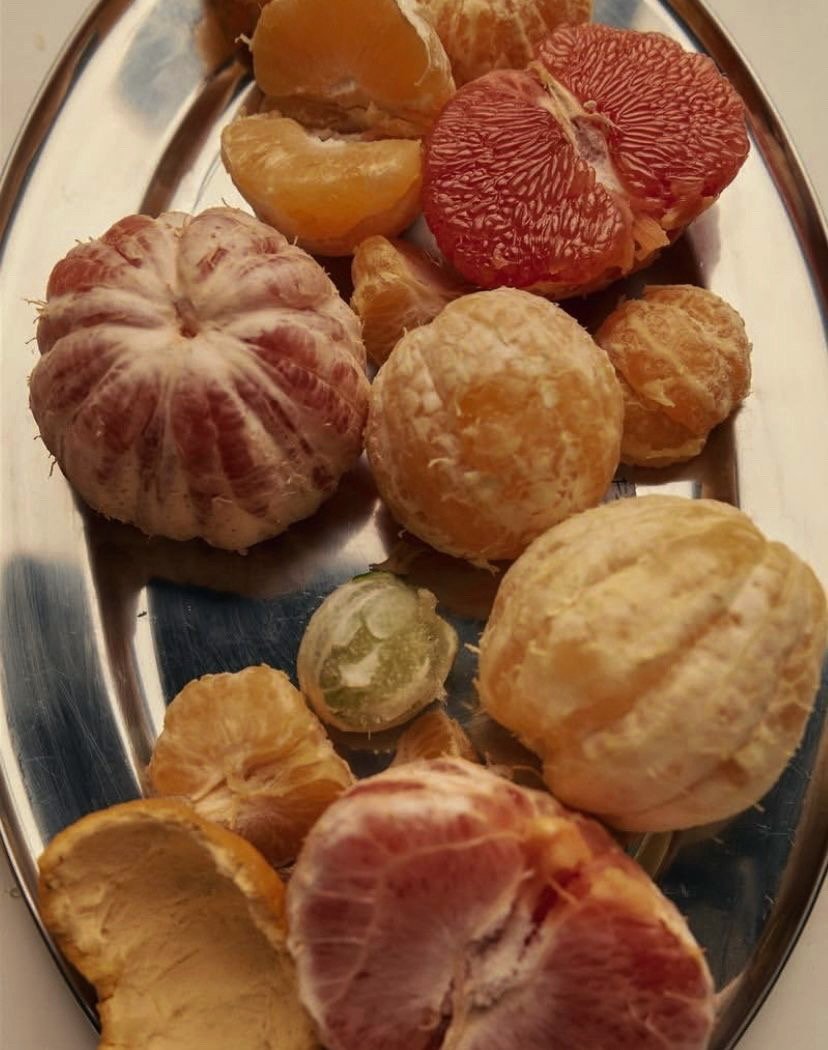
cara cara oranges, blood oranges, ruby red grapefruit, tangelos, meyer lemons
Peak season for the year's best citrus: juicy, fragrant, and necessary for winter balance.
Try: segmenting over roasted fennel; zesting into winter salads; juicing for vinaigrettes and marinades.
-
Cold weather sweetens the leaves and softens their bitterness.
Try: massaging with lemon and olive oil for raw salads; braising with white beans; crisping in the oven as chips.
-
green, savoy, napa
One of winter's most versatile ingredients: subtle, sturdy, and endlessly adaptable
Try: slow-braising until tender; shredding into slaws with citrus; roasting wedges with butter.
-
Bitter, striking, and perfect for January's cravings.
Try: grilling or roasting to mellow bitterness; pairing with sweet elements like pears or honey; adding to grain bowls for contrast.
-
butternut, kabocha, delicata
Earthy, nutty, and underused.
Try: roasting until caramelized; pureeing into silky soups; shaving raw with lemon and parmesan.
-
chard, collards, mustard greens
Nutrient-dense and ideal for slow cooking.
Try: braising with garlic and chili; wilting into pasta; sautéing with olive oil and finishing with vinegar.
-
fuyu (crisp), hachiya (soft)
Winter's sweetest fruit: naturally honeyed without heaviness.
Try: slicing fuyu into salads; roasting alongside savory dishes; blending hachiya into smoothies or desserts.
-
Tart, bright, and entirely edible: peel included.
Try: candying for desserts; muddling into cocktails; slicing thin over yogurt or roasted vegetables.
Notes for January Cooking
Lead with acid.
Citrus and vinegar cut through winter's heavier flavors.
Don't fear bitterness.
Radicchio, kale, and mustard greens bring complexity and depth.
Slow down.
January produce rewards patience: long braises, gentle roasts, unhurried simmers.
Finish bright.
A drizzle of good olive oil or flaky salt elevates winter simplicity.
cover image: courtesy of flamingo estate.
